RVers are no strangers to bad weather. However, hailstorms can surprise even the most experienced campers. That’s why it’s essential to know ways to protect your RV from hail damage.
Hailstones the size of golf balls pelted Tom and Nancy Peters’ RV earlier this summer, shattering two windows and leaving dozens of dents in the sidewalls and roof.
“We were just sitting in our RV, minding our own business, when suddenly, BOOM! It sounded like a bomb went off,” Nancy said. “The whole RV shook, and we were absolutely terrified.”
Fortunately, the storm didn’t injure the Peters. But their RV sustained significant damage that cost thousands of dollars to repair.
Last year, a hailstorm damaged over 200 RVs at the Hart Ranch Resort RV park in the Black Hills of South Dakota. The hail smashed RV skylights and vents, ripped awnings to shreds, broke windows, and created large dents in RV roofs. And to make things worse, rain poured through many broken vents, causing interior water damage.
This article will show you how to protect your RV from hail damage and how to get your rig repaired.
What Does RV Hail Damage Look Like?

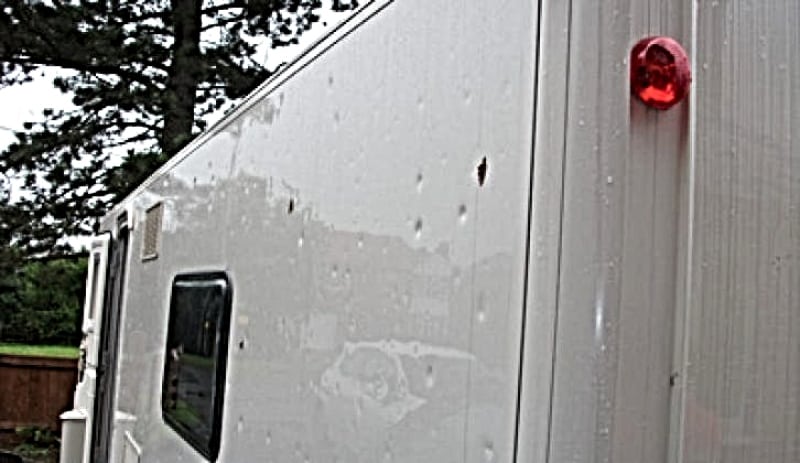
RV hail damage can take many forms, depending on the size of the hailstones and your type of RV. For example, small hailstones might only leave minor dents on the RV’s surface.
But larger hailstones can cause significant damage, denting the exterior, shattering windows, and even puncturing holes in the RV’s roof.
Hail damage to an RV can sometimes be so severe that the RV becomes a total loss.
Which Parts of an RV Are Most Susceptible to Hail Damage?

While they build RVs to withstand most weather events, large hailstones can cause severe damage to your RV’s exterior. The parts of an RV most susceptible to hail damage are the roof and windshield.
Manufacturers often use fiberglass or aluminum to make RV roofs, which hailstones can easily puncture. Similarly, windshields are also vulnerable to hail damage, as the glass can crack or break under the force of the hailstones. PVC membrane RV roofs are stronger but not immune to RV hail damage.
How Common Is RV Hail Damage?
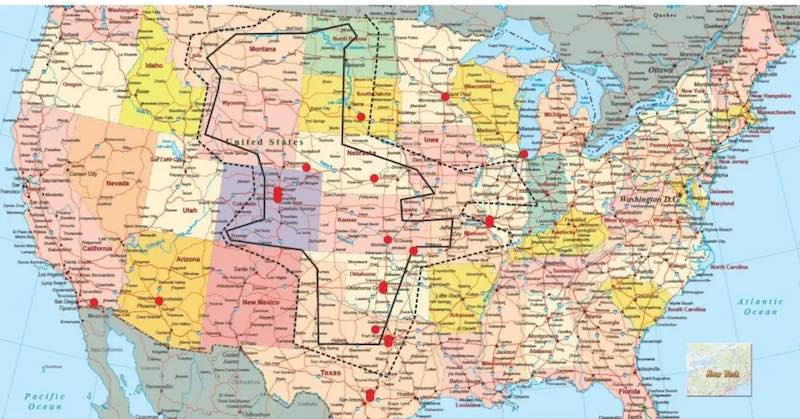
How common is RV hail damage depends on the area of the country you’re RVing. For example, you can expect hail in the Midwest and Great Plains, where severe thunderstorms are more frequent.
According to the NOAA (National Oceanic and Atmospheric Administration), Nebraska, Colorado, and Wyoming typically have the most hailstorms. Hail alley, the region where these states meet, gets an average of eight hailstorms each year.
9 Ways to Protect Your RV from Hail Damage

RVers know all too well that hail can do some serious damage. Just one hailstorm can leave your RV with dents and scratches that are costly to repair. The good news is that there are 9 ways to protect your RV from hail damage.
1. Watch the Weather Forecast

The best way to protect your RV from hail damage is to avoid severe thunderstorms altogether. Before heading out, check the weather forecast for the area you’ll be visiting. If a severe thunderstorm is in the forecast, consider postponing your trip or finding an alternate route that avoids the storm.
2. Park Under Cover
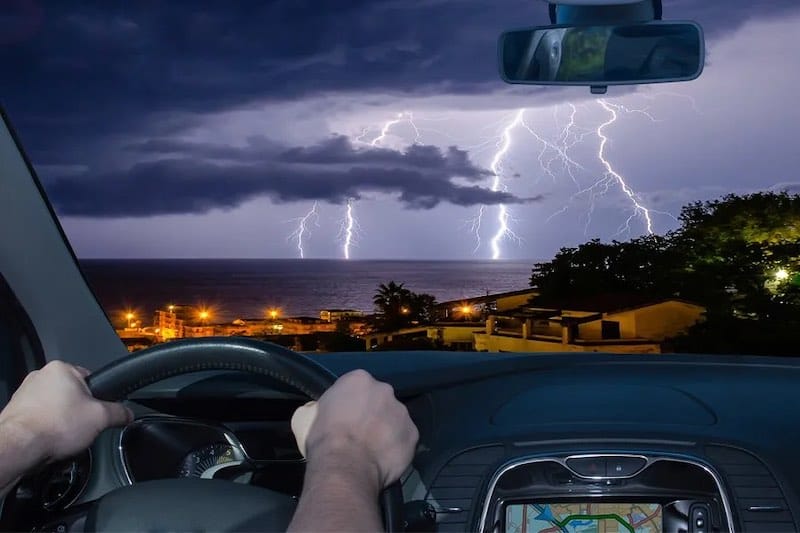
If you can’t avoid a severe thunderstorm, your next best option is to park your RV under shelter. Finding cover will protect your RV from the storm’s high winds and damaging hail.
Parking underneath something also helps prevent your RV from being damaged by flying debris. Finding an underpass or parking garage to wait out the storm can save you a lot of money in RV hail damage repairs.
3. Buy an RV Cover
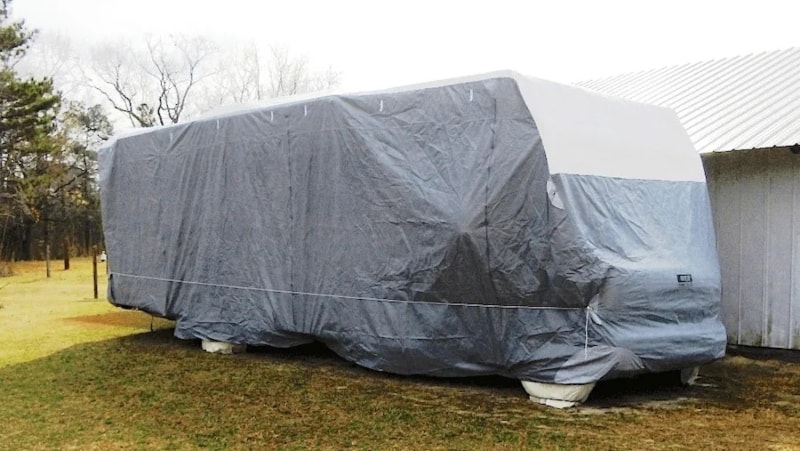
Another option to protect your RV from hail damage is an RV cover. RV covers use thick, durable materials that can protect your investment from hail damage, sun exposure, and even tree sap.
While a cover won’t stop hail from hitting your RV, it will help deflect some impacts. And, if hailstones penetrate the cover, it’s likely to cause less damage than direct hits.
4. Get Good Insurance
Good insurance is one of the best ways to protect your RV from hail damage. Comprehensive RV insurance covers events beyond your control, such as hailstorms, glass breakage, and other weather-related incidents.
In addition, your RV insurance will cover the cost of repairs (or even a total replacement) minus your deductible.
5. Move Campgrounds If Hail Is in the Forecast
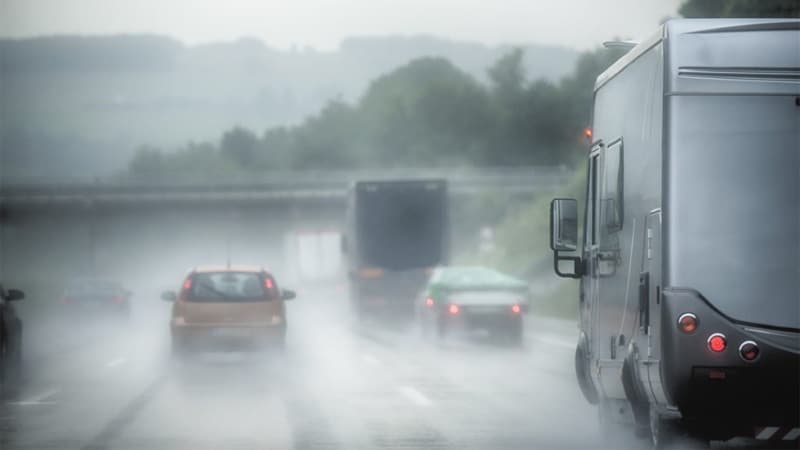
If you’re RVing in an area prone to severe thunderstorms, be prepared to move your RV if hail is in the forecast. While it may seem painful, it’s a pretty brilliant idea.
After all, it’s better to spend a few hours driving to a new campground than to deal with the cost of RV hail damage repairs, haggling with your insurance company, and paying the deductible.
6. Change Routes or Find Cover If Driving
Driving in hail can be a harrowing experience. Not only are you at risk of being pelted by large hailstones, but the roads can become slick and dangerous. Fortunately, there are a few things you can do to stay safe.
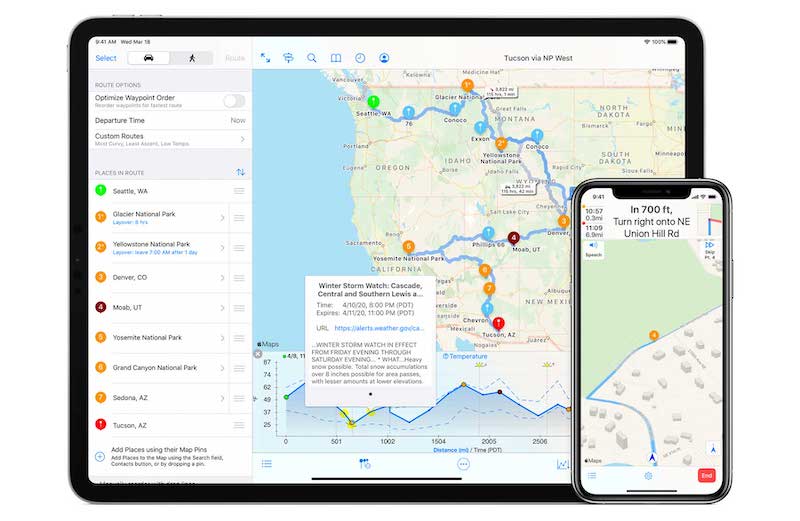
First, if possible, try to avoid driving in hail altogether. If you must drive, choose routes to minimize your exposure to the storm. This is where the inRoute – Intelligent Routing app can be a lifesaver.
The real-time weather data app plans optimal routes and charts your course so you can avoid severe weather. With InRoute, you’ll always know the best way to stay ahead of the storm.
Another option is to find cover while driving in a hailstorm. If you can’t avoid the storm, look for a parking garage or underpass where you can wait out the hail. Once the storm has passed, continue on your way with caution.
7. Sign Up for Extreme Weather Alerts

As any seasoned RVer knows, severe weather can strike at any time. That’s why it’s crucial to be prepared. One way to do that is to sign up for extreme weather alerts, such as The Weather Channel and Weather Underground.
Both apps will send alerts about upcoming storms, letting you know when to expect heavy rain, hail, and tornadoes. They also provide detailed radar maps so you can track the storm as it approaches.
8. Replace Your Vent Cover

Vent covers are essential to any RV but are susceptible to hail damage. If hail damages your vent cover, water and debris can enter your RV, causing further damage. To avoid this issue, replace your vent covers with a more durable option, such as the Maxxair Vent Cover.
The easy-to-install Maxxair vent covers are made from heavy-duty materials that protect your motorhome vents from all types of intrusive things. This includes minimizing hail damage on your RV vents.
9. Upgrade Your Skylight
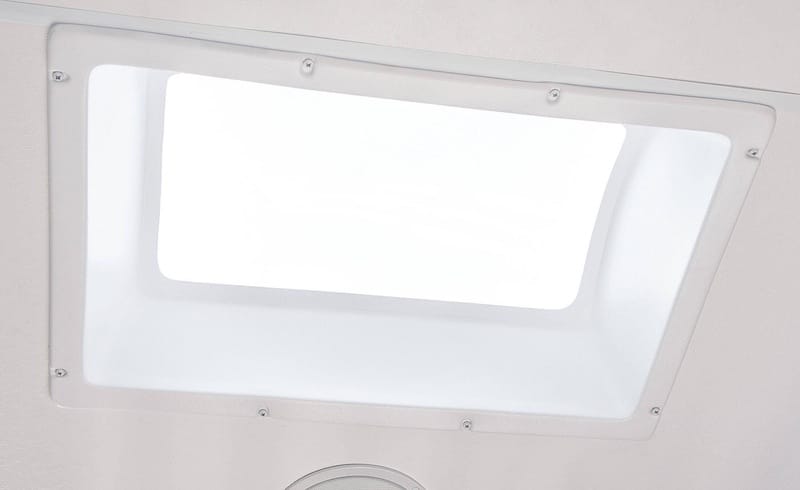
One of the most vulnerable areas for RV hail damage is the skylight. If a hailstorm hits while you’re on the road, hail could shatter your skylight, leaving your RV exposed to the elements.
It’s best to upgrade your skylight to one made from impact-resistant acrylic, especially if you travel in hail-prone areas. A more durable skylight will give you peace of mind, knowing your RV is better protected against severe weather.
What to Do If Your RV Experiences Hail Damage
RV hail damage is one of those things that’s just about as fun as a root canal. Unfortunately, it’s expensive, time-consuming, and can ruin an otherwise excellent camping experience.
If you find yourself in the unlucky position of having to deal with hail damage, there are a few things you can do to make the process less painful.
First, take photos of the damage for insurance purposes.
Next, call your insurance company and start a claim. An adjuster will likely assess the damage and provide you with an estimate.
Once you have the estimate, you can take your RV to a reputable repair shop to get the repairs done.
You’ll be footing the repair bill yourself if you don’t have RV insurance. That’s why you want to ensure you have the right insurance before hitting the road.
Of course, no one wants to experience a freak hailstorm, but if it happens, having RV insurance can help minimize the financial burden.
How Do You Protect Your RV From Hail Damage?

For most RVers, a rig is more than just a vehicle—it’s a home away from home. As a result, you’ve probably put a lot of time and effort into ensuring it’s comfortable, stylish, and in pristine condition.
Unfortunately, severe weather can significantly threaten your RV, especially if hail is involved, as the Peters experienced. Hailstones can cause serious damage to your rig’s exterior and even shatter windows. That’s why you want to know how to protect your RV from hail damage.
“Luckily, we have good insurance,” Tom said. “The hardest part was being without the RV during repairs since we’re full-timers. After we returned to the RV, we did what we could to better prepare for the next hailstorm.”
Like the Peters, you can do several things before, during, and after a hailstorm to minimize the risk of damage to your RV. Hail damage is never fun, but with a little preparation, you can be ready for anything Mother Nature throws your way.
About the Author:
Hi, I’m Mike Scarpignato, co-founder of TravelTrailerPro.com, RVBlogger.com, and MotorhomeFAQs.com and the RVBlogger YouTube Channel.
My wife, Susan, and I have been creating RV content since 2018. We travel the country visiting RV shows, touring dealerships, reviewing campers, testing gear, and spending plenty of time camping in our motorhome. Most of what we share comes from actually using RVs, making mistakes, fixing problems, and learning what works in the real world.
Susan is usually behind the camera on our RVBlogger YouTube channel, which has more than 215,000 subscribers. We also run RV Camping for Newbies, a private Facebook group with more than 275,000 members, and publish four weekly RV newsletters reaching more than 85,000 subscribers.
Our goal is simple: help beginners and experienced RVers choose the right RV, avoid expensive mistakes, and enjoy the RV lifestyle with a little less frustration.