Updated October 13, 2025
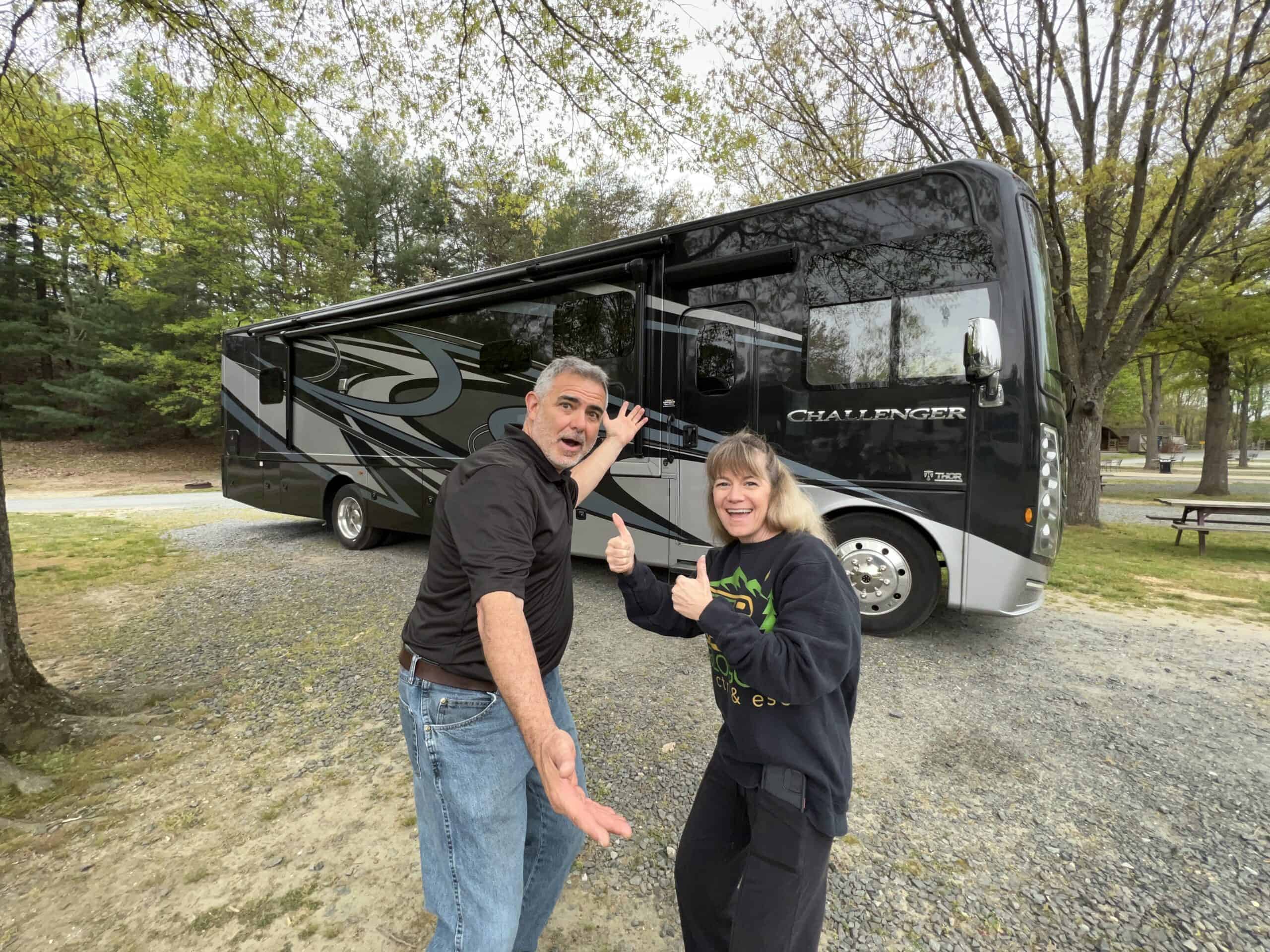
There’s nothing more exciting than shopping for an RV that fits you perfectly. I remember when Susan and I were searching for ours—we spent hours walking through RVs at the Hershey RV Show, sitting on sofas, opening cabinets, and imagining life on the road. It’s easy to get caught up in all the shiny new rigs, but finding the perfect size RV is about matching your lifestyle, not just your dreams.
If you’re in the market for your first or next RV, here are seven key factors we’ve learned to help you find the right size without second-guessing yourself later.
1. Think About Your Lifestyle and How You’ll Use Your RV
Your lifestyle is the most important factor when determining RV size. Are you planning to hit the road full-time or take weekend getaways? Will it just be you and your partner, or are you traveling with kids, grandkids, or pets?
For example, Susan and I spend about nine months a year on the road, so we need plenty of storage, a comfortable bedroom, and space to work on our laptops. But when Susan traveled years ago in her smaller travel trailer, she loved how easy it was to park anywhere and set up camp in minutes.
If you mostly camp in state parks or boondock off-grid, a smaller RV gives you access to more sites and easier mobility. If you’re planning extended trips or full-time living, a larger rig might make life on the road more comfortable.
2. Pick the Right Type of RV
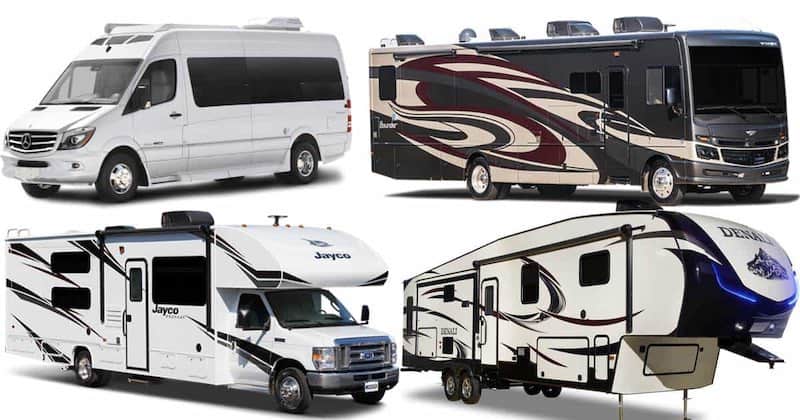
There’s no one-size-fits-all when it comes to RV types. Your options range from tiny teardrop campers to massive Class A motorhomes. Here’s a quick breakdown:
Camper Trailers:
Teardrops and pop-ups are light, affordable, and towable with smaller vehicles. They’re great for solo travelers or couples who want simplicity and quick setup.
Towable Trailers:
Travel trailers and fifth wheels vary from 18 to over 40 feet. A smaller trailer is ideal for weekenders, while a large fifth wheel offers apartment-style living for full-timers. Toy haulers are great if you bring ATVs or bikes along.
Motorhomes:
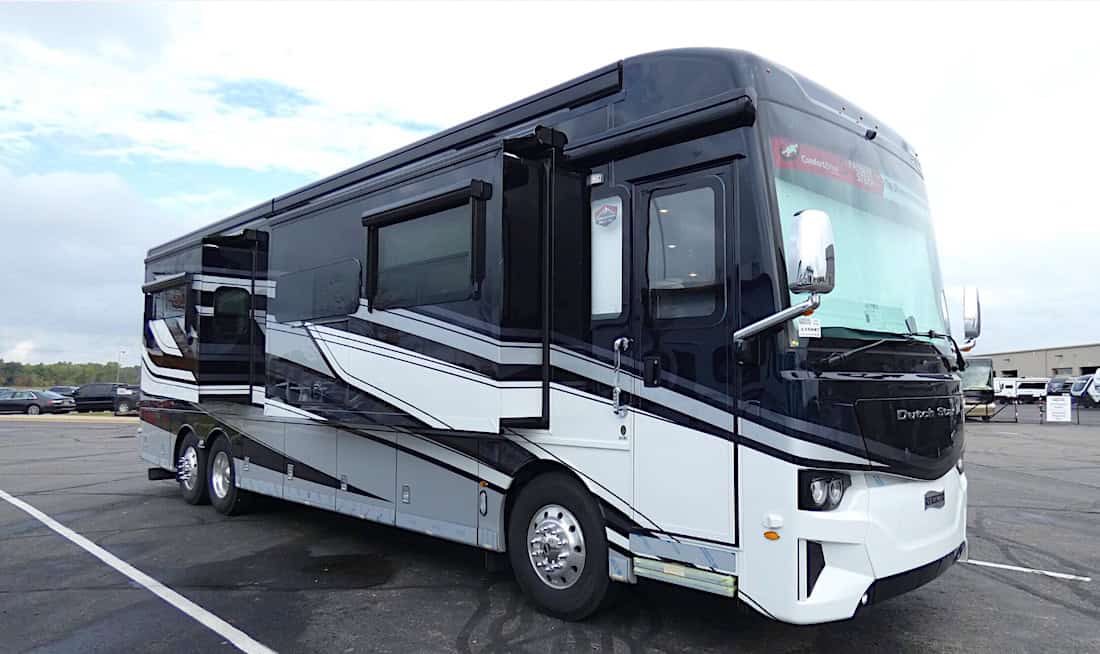
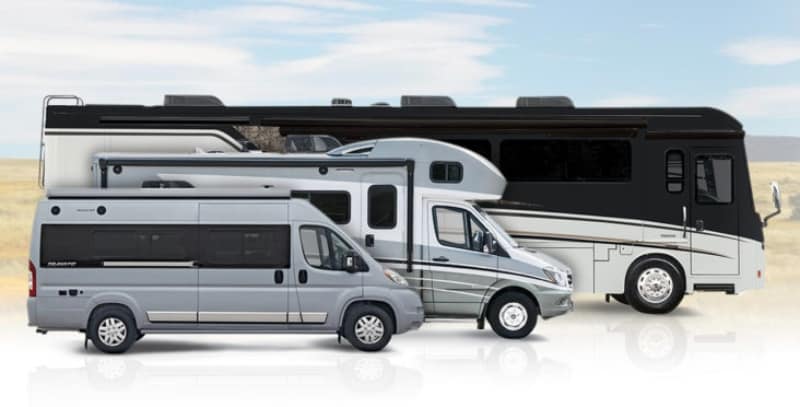
Class A motorhomes are the largest, ranging from 25 to 45 feet, often with full kitchens, residential bathrooms, and washer/dryer combos.
Class C RVs (22–35 feet) are a sweet spot for families—easy to drive with sleeping space for up to 10.
Class B and B+ camper vans (18–25 feet) are compact, perfect for couples who value maneuverability and off-grid flexibility.
Van and Truck Campers:
If you want to blend stealth, simplicity, and adventure, a van or truck camper might be your perfect fit. They’re easy to drive, can go almost anywhere, and are great for spontaneous camping or boondocking trips.
3. Be Honest About Driving and Towing Comfort
This is one factor I underestimated early on. Driving a 40-foot Class A isn’t like hopping in your SUV. It takes confidence—and sometimes training—to handle turns, braking distances, and backing into tight campsites.
If you’re nervous about size, don’t push it. Start smaller and build confidence. Many dealers offer short driver orientation sessions, but you can also find excellent online RV driving courses that teach real-world skills like braking, turning, and backing safely.
4. Don’t Forget to Add Tow or Toad Vehicle Length
If you plan on towing a trailer or a vehicle (often called a “toad”) behind your motorhome, be sure to include that length in your total setup. A 35-foot motorhome towing a Jeep Wrangler can easily stretch over 50 feet!
That extra length affects your ability to maneuver in gas stations, rest areas, and campgrounds—so make sure your total rig fits where you plan to camp.
5. Consider Where You’ll Camp
Your favorite camping spots will often dictate your RV size.
National park campgrounds typically max out around 30 feet, though some sites are longer. If you love boondocking, you’ll appreciate the agility of a smaller RV on rougher roads.
Large RV resorts, on the other hand, can accommodate rigs 40 feet and up, often with pull-through sites and full hookups. Before you buy, think about where you’ll actually camp most of the time—not just the dream trip once a year.
6. Match Your RV Size to Your Budget
RV size and price go hand-in-hand. A new Class B van can start around $40,000, while luxury Class A motorhomes can exceed $500,000. The larger the RV, the higher the purchase price, insurance, maintenance, and fuel costs.
If you’re on a tighter budget, consider a used smaller RV. Just be sure to have it inspected by a certified NRVIA inspector before signing anything. We’ve done this ourselves—it’s worth every penny for peace of mind.
7. Check Maintenance Records (Especially for Used RVs)
If you’re buying used, maintenance history is critical. Ask for service records, recall documentation, and proof of regular roof and seal inspections. A seller who can’t provide them might not have kept up with the basics—which can lead to expensive surprises later.
Large vs. Small RVs: Pros and Cons
Large RV Advantages:
- Spacious and comfortable for full-timers or families
- More storage and residential-style features
- Great for long-term stays
Large RV Disadvantages:
- Higher cost to buy, fuel, and maintain
- Harder to drive and park
- Limited access to smaller campgrounds
Small RV Advantages:
- Easier to drive, park, and store
- More affordable overall
- Fits into almost any campground or driveway
Small RV Disadvantages:
- Less living and storage space
- Fewer amenities
- Compact bathrooms or sleeping areas
What’s the Most Popular RV Length?
The most popular RV length for couples and families is 25–35 feet. It’s long enough to offer space and comfort yet short enough to fit most campgrounds—including national parks.
When Susan and I camp in national or state parks, we find this range ideal. It gives us space to live and work comfortably while still being nimble enough to squeeze into scenic sites.
What’s the Perfect Size RV for You?
There’s no universal “perfect size RV”—just the one that fits your lifestyle.
If you’re a solo traveler or couple who loves off-grid camping, a small camper van or travel trailer might be perfect. If you have kids, pets, or plan to live full-time on the road, a fifth wheel or Class A might be worth it.
The key is to focus on your real needs—not just the floorplans that look the prettiest under showroom lights. The right RV will feel like home the moment you step inside. That’s how we knew we’d found ours.
Related Reading:
– How Much Does A Motorhome Cost To Own?
– Are Motorhome Prices Dropping?
– Motorhome Trade-In Value: What’s Your RV Worth?
– 5 Best Class A Motorhomes For Large Families
About the Author:

Hi, I’m Mike Scarpignato, co-founder of TravelTrailerPro.com, RVBlogger.com, and MotorhomeFAQs.com and the RVBlogger YouTube Channel.
My wife, Susan, and I have been creating RV content since 2018. We travel the country visiting RV shows, touring dealerships, reviewing campers, testing gear, and spending plenty of time camping in our motorhome. Most of what we share comes from actually using RVs, making mistakes, fixing problems, and learning what works in the real world.
Susan is usually behind the camera on our RVBlogger YouTube channel, which has more than 215,000 subscribers. We also run RV Camping for Newbies, a private Facebook group with more than 275,000 members, and publish four weekly RV newsletters reaching more than 85,000 subscribers.
Our goal is simple: help beginners and experienced RVers choose the right RV, avoid expensive mistakes, and enjoy the RV lifestyle with a little less frustration.