Updated September 24, 2025
Hi, I’m Mike from RVBlogger, and over the years of reviewing RVs and traveling full-time, one of the most common questions I get is:
“Are RV slide toppers really necessary?”
I’ve owned RVs with them, RVs without them, and I’ve talked to thousands of RVers in our community. In this article, I’ll share my personal experience, break down the pros and cons, and help you decide whether slide toppers are worth it for your rig.
What Exactly Are RV Slide Toppers?
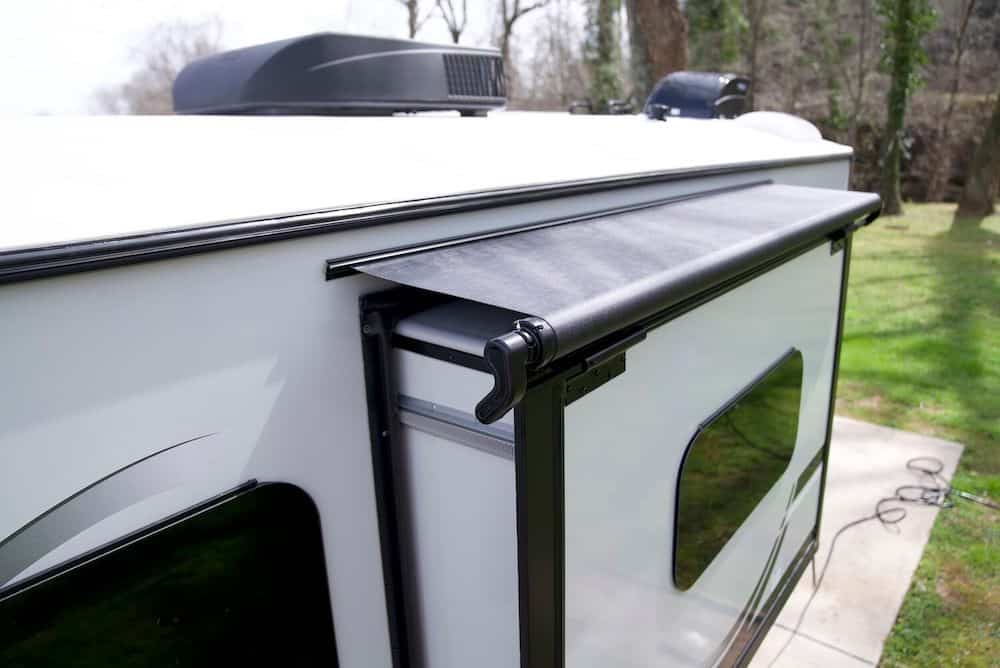
RV slide toppers (also called slide-out awnings or covers) are fabric canopies mounted above your RV’s slide-outs. When you extend your slide, the topper automatically rolls out to cover the top. When you bring the slide back in, it retracts neatly out of the way.
Think of them like mini-awnings that protect the top of your slide from rain, sun, and falling debris.
👉 Example from my travels: I once camped under a big oak tree in Florida. Without a slide topper, I’d have had to climb up and sweep away acorns and sticks before pulling the slide in. With a topper? No worries—the debris just rolled right off.
Are RV Slide Toppers Really Necessary?
The short answer: No, you don’t have to have them.
Your RV will work perfectly fine without slide toppers.
But… (and here’s the big “but”) slide toppers can save you a lot of maintenance headaches, potential leaks, and even money down the road. Whether they’re worth it really depends on your camping style and environment.
If you camp mostly in open campgrounds with little tree cover, you might not need them. But if you boondock in the woods, travel in rainy climates, or want extra peace of mind, they’re a solid investment.
9 Benefits of RV Slide Toppers
Here’s why many RVers—including me—say yes to slide toppers:
- Protection from Rain – Keeps water from pooling on top of slides and reduces the risk of leaks.
- UV Protection – Prevents sun damage and fading to the seals and roof of your slide.
- Debris Prevention – Stops leaves, sticks, and dirt from jamming seals when you retract slides.
- Cleaner Look – Gives your RV a more polished and finished appearance.
- Extra Shade – Helps reduce interior heat buildup in summer.
- Less Maintenance – You don’t need to sweep or clean the top of your slides constantly.
- Boosts Resale Value – Shows potential buyers your RV has been well cared for.
- Noise Reduction – Rain or hail sounds are muffled by the fabric topper.
- Extended Slide Life – Protects mechanical parts and seals, saving you future repair costs.
👉 Personal note: On one rainy night in Pennsylvania, the noise difference was dramatic—our RV with slide toppers was so much quieter than my neighbor’s rig without them.
Do RVs Come With Slide Toppers?
Not usually.
Most RVs don’t include slide toppers as standard equipment, though luxury Class A motorhomes and higher-end fifth wheels sometimes do.
For most of us, it’s an aftermarket add-on.
Can You Add Slide Toppers Yourself?
Yes, you can. If you’re handy, slide toppers are available online (Amazon has plenty) and can be a DIY weekend project.
You’ll need to measure your slides carefully, install mounting brackets, and secure the roller tube.
If DIY isn’t your style, most RV dealers or service shops can install them for you. Sometimes paying a pro is worth it for peace of mind.
How Much Do RV Slide Toppers Cost?
Prices usually range from $250–$600 per slide topper, depending on size.
Installation can add a few hundred more if you go professional.
👉 Example: On my travel trailer, I paid about $500 per topper installed at a dealership. On my Class C, I DIY’d them and spent about $300 each.
Are RV Slide Toppers Worth It?
For me, yes—especially when camping under trees or in rainy areas.
Here’s how I decide:
- If you camp mostly in the open: Probably not worth the cost.
- If you camp under trees or in wet climates: Absolutely worth it.
- If you plan to resell soon: They can help your RV show better and sell faster.
Slide toppers aren’t a “must-have,” but they are a “nice-to-have” that can save you headaches and add comfort.
FAQs About RV Slide Toppers
1. Do RVs come with slide toppers?
Most don’t, but higher-end models sometimes include them.
2. Can I install them myself?
Yes—DIY kits are available, but many RVers prefer dealer installation.
3. How much do they cost?
$250–$600 per topper, plus installation if you don’t DIY.
4. What’s the biggest benefit?
Protection from rain, sun, and debris, which reduces leaks and maintenance.
5. Are they really worth it?
It depends on your camping habits. I find them very useful when camping in wooded or rainy areas.
Final Thoughts: My Take on RV Slide Toppers
So, are RV slide toppers necessary? No.
Are they worth it for many RVers? Absolutely.
For me, the peace of mind, reduced maintenance, and protection for my slides make them a smart investment.
If you’re buying a new RV, ask about adding them at the dealer. If you already own one, measure your slides and consider ordering a set.
At the end of the day, your RV is your home on wheels—keeping it protected means you can spend more time enjoying the journey and less time fixing problems.
Related Reading:
– 10 Best Class C Motorhomes Without Slides
– Definitive Guide To An Extended RV Warranty For Motorhomes
– Are Motorhome Prices Dropping?
– 13 Best RV Resorts With Water Parks
About the Author:

Hi, I’m Mike Scarpignato, co-founder of TravelTrailerPro.com, RVBlogger.com, and MotorhomeFAQs.com and the RVBlogger YouTube Channel.
My wife, Susan, and I have been creating RV content since 2018. We travel the country visiting RV shows, touring dealerships, reviewing campers, testing gear, and spending plenty of time camping in our motorhome. Most of what we share comes from actually using RVs, making mistakes, fixing problems, and learning what works in the real world.
Susan is usually behind the camera on our RVBlogger YouTube channel, which has more than 215,000 subscribers. We also run RV Camping for Newbies, a private Facebook group with more than 275,000 members, and publish four weekly RV newsletters reaching more than 85,000 subscribers.
Our goal is simple: help beginners and experienced RVers choose the right RV, avoid expensive mistakes, and enjoy the RV lifestyle with a little less frustration.